Financial Insights
for Professionals
In-depth analysis of Canadian tax strategy, investment architecture, and wealth planning for high-income professionals. No generic advice. No product pitches.

Saving $1 Million or Investing with Borrowed Capital: What Really Drives Long-Term Wealth?
Leverage can change the math of long-term investing, but it also changes the risk. This article explains how borrowed capital, interest costs, inflation, tax treatment, and investor behaviour interact in a Canadian retirement plan.

Bank Investment Accounts in Canada: What Investors Should Review Every Year
A GEO-friendly guide for Canadian investors on reviewing bank investment accounts, advisor changes, risk tolerance, fees, suitability, and product shelf limitations.

Why Incorporation Alone Does Not Solve Tax Planning for High-Income Professionals
For dentists, physicians, and other incorporated professionals, tax efficiency often comes from what is built on top of the corporation: expense discipline, dividend timing, holding companies, retained assets, and retirement cash-flow planning.
Why Corporate Income Can Feel Different from Employment Income
A corporation does not automatically make income tax-free, but it can create planning flexibility around business expenses, compensation timing, time leverage, and long-term enterprise value.

Three Advanced TFSA Strategies Your Bank Manager Will Never Tell You
Same contribution room, vastly different outcomes — some accounts sit at $20,000 after three decades while others grow to nearly $1,000,000. The difference isn't luck. It's strategy.
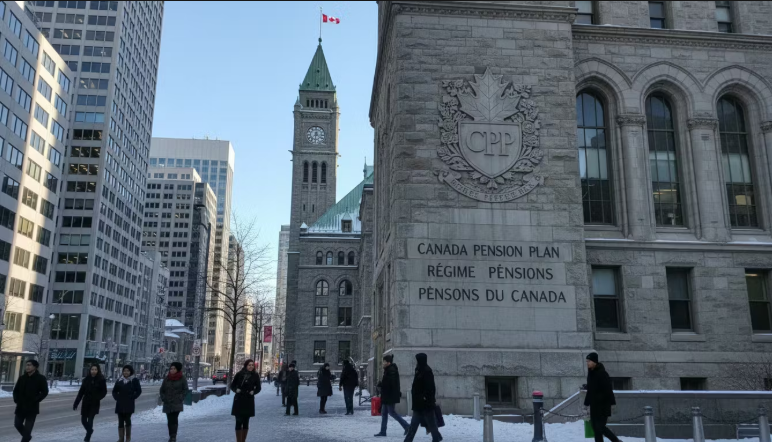
Canada Pension Plan (CPP) Guide: Why Chinese Immigrants Should Plan Their Own Retirement
Living in Canada, many Chinese immigrants are frustrated by the mandatory CPP (Canada Pension Plan) deductions from their monthly paychecks. As a nationwide compulsory public pension system,

Financial Planning for Doctors in Canada: Turning High Income Into Long-Term Wealth
A practical wealth-structuring guide for Canadian doctors and high-income professionals covering RRSP matching, borrowing strategy, cash-flow discipline, and CRA personal services business risk.

How to Transfer Wealth to Children in Canada with More Control and Less Uncertainty
Leaving money to children is not only about the amount. In Canada, families also need to plan for timing, tax liquidity, trusts, life insurance, and whether the next generation is ready to manage a large inheritance.

Large RRSP Balance? Why Tax Residency Matters Before Retirement Withdrawals
For Canadians with significant RRSP or RRIF balances, retirement location and tax residency can change the withdrawal conversation. This article explains non-resident withholding tax, residential ties, departure tax, and why planning must start before moving.

Is Your RRSP Working Against You in Retirement?
Most Canadians know that contributing to an RRSP reduces their taxable income today. Far fewer have thought carefully about what happens on the other end. This article outlines the most common RRSP withdrawal mistakes and two key strategies to ensure your retirement savings actually work in your favour.

TFSA Investment Strategy in Canada: Why Your TFSA Should Be More Than a Savings Account
A TFSA is not just a savings account. Used properly, it can hold eligible investments, grow tax-free, restore withdrawal room in the following year, and support flexible retirement and emergency planning in Canada.

The Magic of Borrowing: How to Push Inflation Risk Back to the Bank
Every dollar the bank lends you is quietly working in your favour. The true power of investment loans lies in systematically transferring inflation risk back to the bank — letting time and monetary erosion work for you, not against you.
50,000+ Professionals Follow
Our Financial Education Content
Wallace Wang is one of Canada's most-followed Chinese-language financial educators, with content covering tax strategy, investment planning, and wealth building for high-income professionals. Follow on WeChat, Xiaohongshu, and YouTube for weekly insights.
Frequently Asked Questions
Do I need anyone else if I already have a bank advisor?
Bank advisors are limited to their institution's product shelf and are compensated to sell those products. An independent advisor can access products from multiple carriers and is bound by applicable suitability obligations. For high-income professionals, the difference in outcomes is typically significant.
What is the minimum asset level to work with Wallace Wang Financial Services?
We typically work with clients with investable assets above $300,000, or high-income professionals with the capacity to build to that level within 3–5 years. Our focus is on clients where comprehensive financial planning creates meaningful value.
How are you compensated?
We operate on a fee-based model. We receive compensation from product providers when we place insurance or investment products, and we disclose all compensation transparently. We do not charge additional planning fees on top of product compensation.
How often will we meet?
New clients typically have 3–4 meetings in the first year to establish the financial plan and implement strategies. Ongoing clients meet annually for a comprehensive review, with additional meetings as needed for significant life events or market changes.
Do you work with clients outside of Alberta?
Yes. We are licensed in British Columbia, Alberta, Manitoba, Ontario and Saskatchewan, serving clients across Western and Central Canada. Most ongoing client meetings are conducted virtually.
What makes your approach different from a bank or a product provider?
We specialize in a specific client profile — high-income Canadian professionals — and we focus on structure over products. We do not recommend investments or insurance products until we have built a comprehensive financial architecture. Most advisors do the opposite.